| 일 | 월 | 화 | 수 | 목 | 금 | 토 |
|---|---|---|---|---|---|---|
| 1 | 2 | 3 | 4 | 5 | 6 | |
| 7 | 8 | 9 | 10 | 11 | 12 | 13 |
| 14 | 15 | 16 | 17 | 18 | 19 | 20 |
| 21 | 22 | 23 | 24 | 25 | 26 | 27 |
| 28 | 29 | 30 |
- 필라테스지도자
- Barre
- 발목운동
- 필라테스자격증
- 필라테스협회
- 바레
- 바레강사
- 평발운동
- 바레자격증
- 물리치료사
- 필라테스지도자과정
- 필라테스
- 재활필라테스협회
- 발운동
- 필라테스강사
- 시니어필라테스자격증
- footforce
- 물리치료사출신
- 임산부필라테스자격증
- 발운동기구
- 재활필라테스
- 평발
- 재활필라테스자격증
- 풋포스
- 굿스파인재활필라테스협회
- 필라테스자격증추천
- 발아치
- 발목운동기구
- 바레필라테스
- 시니어필라테스
- Today
- Total
goodspinepilates 님의 블로그
카이로프랙틱 드롭 테이블 테크닉 요약: 상완골두 전방활주 교정 본문
https://youtube.com/shorts/ufk5HCMHiPM?feature=share
📝 카이로프랙틱 드롭 테이블 테크닉 요약: 상완골두 전방활주 교정 (바로 누운 자세)
1. 문제: 상완골두 전방활주 및 충돌 증후군
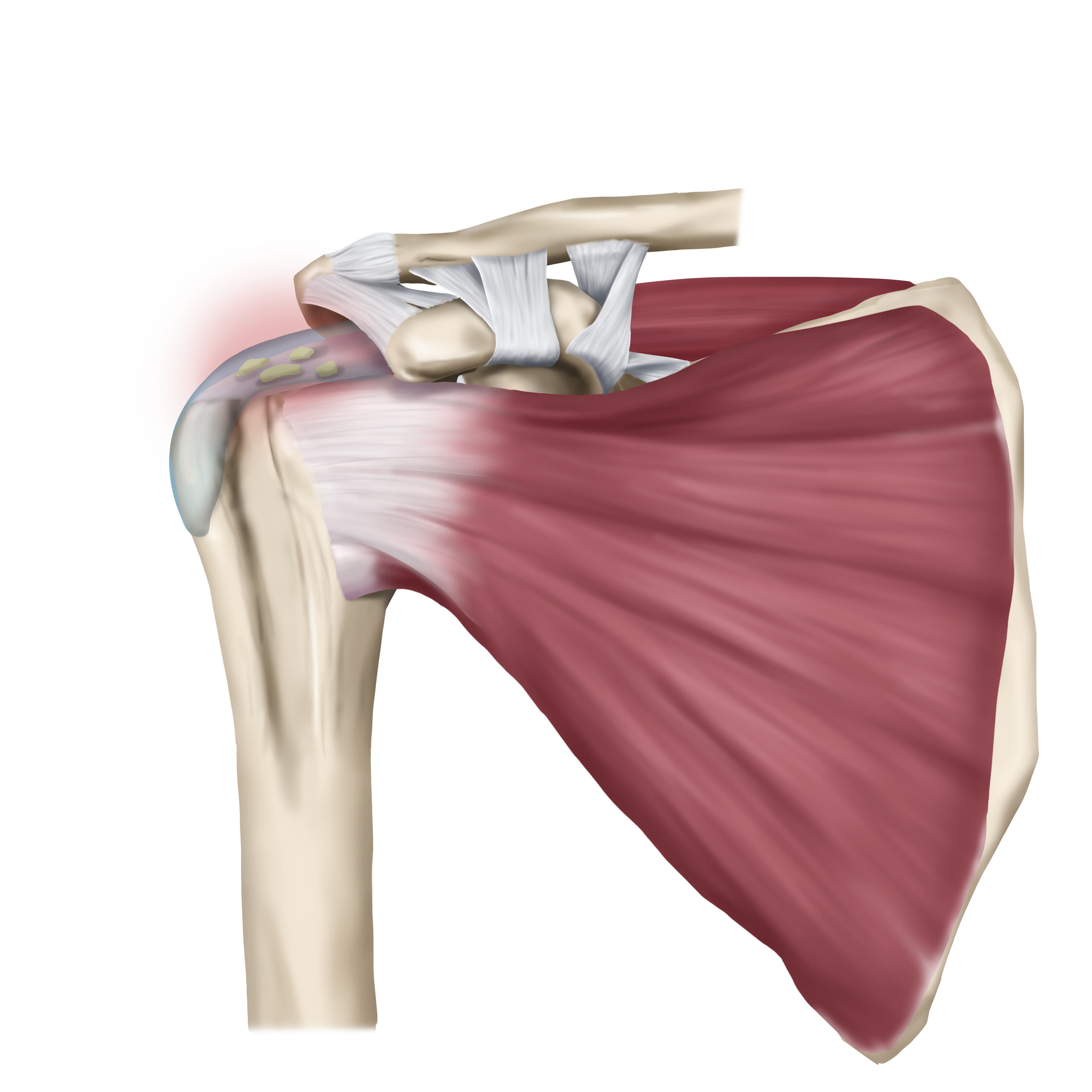
상완골두 전방활주(Anterior Humeral Glide)는 어깨 충돌 증후군(Shoulder Impingement Syndrome)에서 흔히 관찰되는 주요 특징입니다. 이는 팔을 들어 올릴 때(굴곡 또는 외전), 상완골두(팔뼈의 머리)가 관절와(어깨 소켓) 위에서 필수적인 후하방 미끄러짐(Posterior-Inferior Glide)을 수행하지 못하고 과도하게 앞으로(Anteriorly) 또는 위로(Superiorly) 활주할 때 발생합니다. 이러한 비정상적인 움직임은 견봉하 공간을 좁혀 회전근개 힘줄을 압박하고, 그 결과 팔을 머리 위로 올리는 동작 시 통증이나 가동 범위 제한을 유발합니다.
2. 치료 원리: 굴림과 미끄러짐 역학 복원
이 치료법의 주요 목표는 수동적인 힘을 사용하여 상완골두에 후방 미끄러짐(Posterior Glide)과 하방 견인(Inferior Traction)을 유도하여 비정상적인 정렬을 교정하는 것입니다. 상완골두를 관절와 내에 최적으로 재배치함으로써, 이 테크닉은 어깨 움직임 시 굴림(Rolling) 동작에 필수적인 미끄러짐(Gliding) 기능이 정상적으로 이루어지도록 관절 역학을 복원하는 것을 목표로 합니다.
3. 드롭 테이블을 이용한 테크닉 수행 과정 (바로 누운 자세)
환자는 카이로프랙틱 드롭 테이블 위에 바로 누운 자세(Supine Position)로 위치하며, 치료할 어깨는 드롭 테이블의 흉부 또는 경추 섹션 근처에 놓입니다. 환자의 팔은 약간 외전(30~45도), 약간의 굴곡 및 중립 회전 상태로 편안하게 지지됩니다.
치료사는 환자의 어깨 옆에 서거나 앉아 상완골두의 전방 또는 전상방 부위에 손의 접촉점(일반적으로 주상골/Pisiform)을 설정합니다.
추진력의 방향(Vector)은 상완골두를 관절와 평면을 따라 후방 및 하방(환자의 발 방향)으로 밀어주도록 정확하게 설정됩니다. 이 벡터는 전방 활주를 상쇄하고 후방 관절낭의 제한을 해소하도록 설계됩니다.
설정된 벡터 방향으로 빠르고 짧은 고속-저진폭 추력(Thrust)이 가해지는 동시에, 드롭 테이블의 해당 섹션이 낙하(Drop Action)됩니다. 이 낙하 작용은 추진력과 결합하여 적은 힘으로도 관절 내부에 깊은 운동량을 전달하며, 필수적인 후방 미끄러짐을 촉진하고 제한된 후방 관절낭을 효과적으로 이완시킵니다.
4. 치료 결과 (목표)
이 테크닉이 성공적으로 적용되면 상완골두의 비정상적인 전방 위치가 즉각적으로 교정됩니다. 견봉하 공간의 압박이 해소되어 관절 역학이 회복되며, 환자는 통증 없이 팔을 머리 위로 올리는 동작을 수행할 수 있게 되어 어깨 충돌 증후군의 증상이 완화됩니다.
| 구분 | 설명 |
| 환자 자세 (Patient Position) | 바로 누운 자세 (Supine). 치료할 어깨를 드롭 테이블의 흉부(Thoracic) 또는 경추(Cervical) 섹션 근처에 위치시킵니다. 팔은 일반적으로 약간 외전 (30~45도)시키고, 약간 굴곡 및 중립 회전 상태로 편안하게 놓습니다. |
| 의사 자세 및 접촉 (Doctor & Contact) | 의사 위치: 환자의 치료할 어깨 쪽에 서거나 앉습니다. |
| 접촉점: 상완골두의 전방(Anterior) 또는 전상방(Anteriorsuperior) 부위에 손의 피시폼(Pisiform) 또는 다른 적절한 접촉면을 설정합니다. | |
| 벡터 설정 (Line of Drive) | 상완골두를 관절와의 평면을 따라 후방(Posterior) 또는 후외측(Posterior-Lateral) 방향으로 밀어줍니다. 이 벡터는 관절낭과 상완골두의 움직임 제한을 해소하는 방향입니다. |
| 드롭 적용 (Drop Application) | 벡터 방향으로 빠르고 짧은 **추진력(Thrust)**을 가합니다. |
| 드롭 역할: 추진력과 함께 테이블 섹션이 아래로 떨어지면서 가벼운 힘으로도 관절에 깊은 운동량을 전달하여, 관절 내 후방 미끄러짐(Posterior Glide)을 유도하고 제한된 후방 관절낭을 이완시킵니다. | |
| 결과 (Goal) | 상완골두의 비정상적인 전방 활주가 교정되어, 팔을 들어 올릴 때(만세) 어깨 충돌이 해소되고 통증 없이 편안하게 만세 동작을 수행할 수 있도록 합니다. |
📝 Chiropractic Drop Table Technique: Correcting Anterior Humeral Glide (Supine Position)
1. The Problem: Anterior Humeral Glide and Impingement Syndrome
The condition known as Anterior Humeral Glide is a critical feature often observed in patients with Shoulder Impingement Syndrome. This occurs when the Humeral Head (the ball of the upper arm bone) fails to execute its necessary Posterior-Inferior Glide on the glenoid fossa (shoulder socket) during active arm elevation (flexion or abduction). Instead of gliding backward and downward, the humeral head shifts excessively anteriorly (forward) or superiorly (upward). This pathological movement narrows the Subacromial Space, leading to the compression of the rotator cuff tendons and subsequent pain or restriction during overhead movements.
2. Treatment Principle: Restoring Roll and Glide Mechanics
The primary therapeutic goal is to passively restore the normal arthrokinematics of the glenohumeral joint. This involves manually correcting the alignment by inducing a Posterior Glide and Inferior Traction of the humeral head. By optimally positioning the humeral head within the joint, the technique aims to restore the joint's ability to perform the necessary Gliding component needed to accompany the Rolling action during shoulder movement.
3. Technique Execution using the Drop Table (Supine Setup)
The technique is performed with the patient positioned supine (face up) on the chiropractic drop table. The involved shoulder is placed adjacent to the specific drop section (typically the thoracic or cervical segment) that will be utilized. The patient’s arm is held in a comfortable, relaxed position, usually involving slight abduction (30–45 degrees), slight flexion, and neutral rotation.
The chiropractor stands or sits near the affected shoulder. Contact is made over the anterior or anterosuperior aspect of the humeral head, commonly using the pisiform of the contact hand.
The Line of Drive (Vector) is precisely set to push the humeral head posteriorly (or posterior-laterally) and inferiorly (towards the patient's feet), following the plane of the joint to unlock capsular restrictions. A quick, high-velocity, low-amplitude thrust (Thrust) is then delivered along this vector.
The Drop Action of the table segment engages simultaneously with the thrust, serving two key functions: it utilizes momentum to transmit a deeper, less forceful adjustment into the joint, and it mechanically facilitates the crucial Posterior Glide, helping to release the restricted posterior capsule.
4. Therapeutic Outcome (Goal)
Successful application of this technique results in the immediate correction of the abnormal anterior position of the humeral head. This decompression of the subacromial space allows for the restoration of proper joint mechanics, enabling the patient to perform overhead motions (e.g., full elevation or "doing the wave") with significantly reduced or eliminated pain, thus resolving symptoms associated with shoulder impingement.